Mobile mechanic requests in Houston, TX
Start with the vehicle and symptom, not a guessed repair. Houston’s size can make towing and shop logistics inconvenient, so ZIP and vehicle details are collected first.
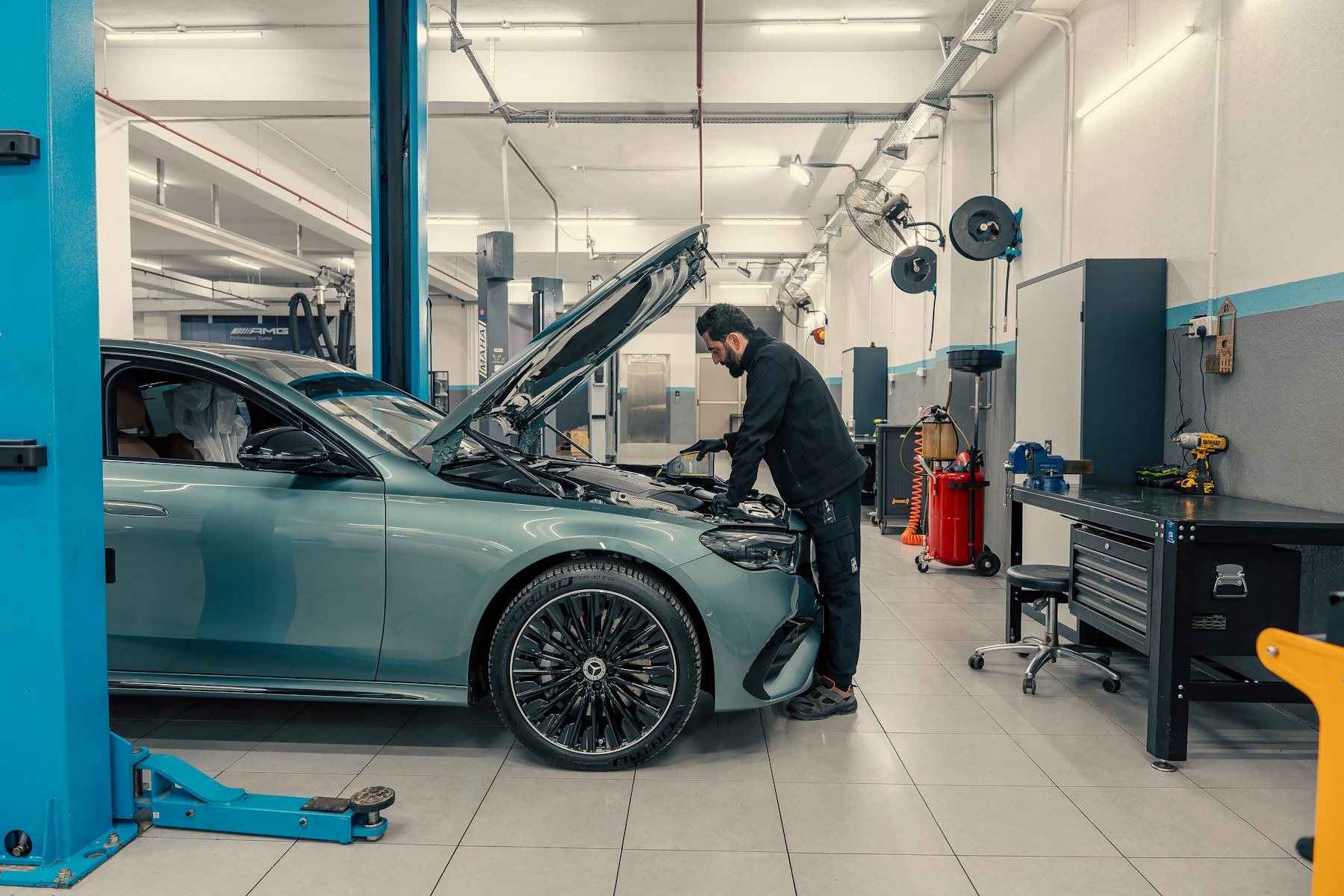
Vehicle problem first. ZIP second.
Houston’s size can make towing and shop logistics inconvenient, so ZIP and vehicle details are collected first. A city name alone is too broad for a mobile repair request, so the flow collects the vehicle and symptom before local matching.
Houston’s large driving footprint makes an at-location request useful when moving the vehicle to a shop would be inconvenient. The form starts with ZIP and vehicle details, then asks for symptoms rather than guessing the repair. A no-start may involve a battery, starter, charging system, fuel delivery or another cause, so diagnosis should come before promises. Organic form volume can later show which Houston problems and ZIPs are worth expanding into dedicated pages.
What is the vehicle doing?
Use the closest symptom page; a real diagnosis can still change the final repair path.
Car Won’t Start
Request no-start diagnosis at the vehicle location.
Open →Car Diagnostics
Request diagnostic help for warning lights, noises, drivability or electrical symptoms.
Open →Car Battery Replacement
Request battery testing or replacement options where mobile service is available.
Open →Brake Repair
Request inspection or repair options for brake pads, rotors and related symptoms.
Open →Check Engine Light Diagnostics
Request a diagnostic starting point for an illuminated engine warning light.
Open →Pre-Purchase Inspection
Request an independent inspection before buying a used vehicle.
Open →No-start & battery
Diagnosis can often begin where the vehicle sits.
Brakes & maintenance
Safe, level access and the exact scope matter.
Heavy repairs
Lift, alignment, machining, or major teardown may require a facility.
Houston water-exposed vehicle: when not to restart or attempt mobile repair
A vehicle affected by standing water or severe flooding should not automatically be treated as an ordinary dead-battery or no-start request. Water can affect electrical connections, interior wiring, brakes, fluids, engine air intake, and safety systems. The first useful question is how deeply the vehicle was exposed and whether it is in a safe location for assessment. A structured request can communicate those risks before someone decides whether a mobile evaluation, towing, or shop-level inspection is appropriate.
- If water reached the intake, engine compartment, vehicle cabin, or electrical modules, avoid attempting to restart the engine until a qualified assessment determines it is safe. Engine damage can worsen when water is ingested.
- Describe the water level and duration, whether the vehicle was moving or parked, whether the engine stopped during exposure, and any known warning lights. Photos can help document conditions if safe to obtain.
- Do not touch damaged high-voltage components on hybrid or electric vehicles. A submerged or damaged traction battery can create hazards requiring specialized recovery and inspection.
- If the car is on an active roadway, in rising water, or otherwise unsafe to approach, prioritize emergency help and professional recovery. A ZIP-based service request does not establish whether mobile diagnostics can be performed at that location.
- Before authorizing repair, ask whether the inspection needs a workshop, electrical diagnostics, brake inspection, fluid checks, or towing. A no-start estimate alone cannot establish the complete scope of water damage.
Electrical and system diagnosis No-start symptom questions Decide whether a shop is safer Describe the vehicle and location