Car trouble where you are? Start with the symptom.
Tell us what the car is doing, which vehicle it is, and where it sits. The request is built around diagnosis—not a generic mechanic form.
Choose the symptom first. We ask for the vehicle before anyone contacts you.
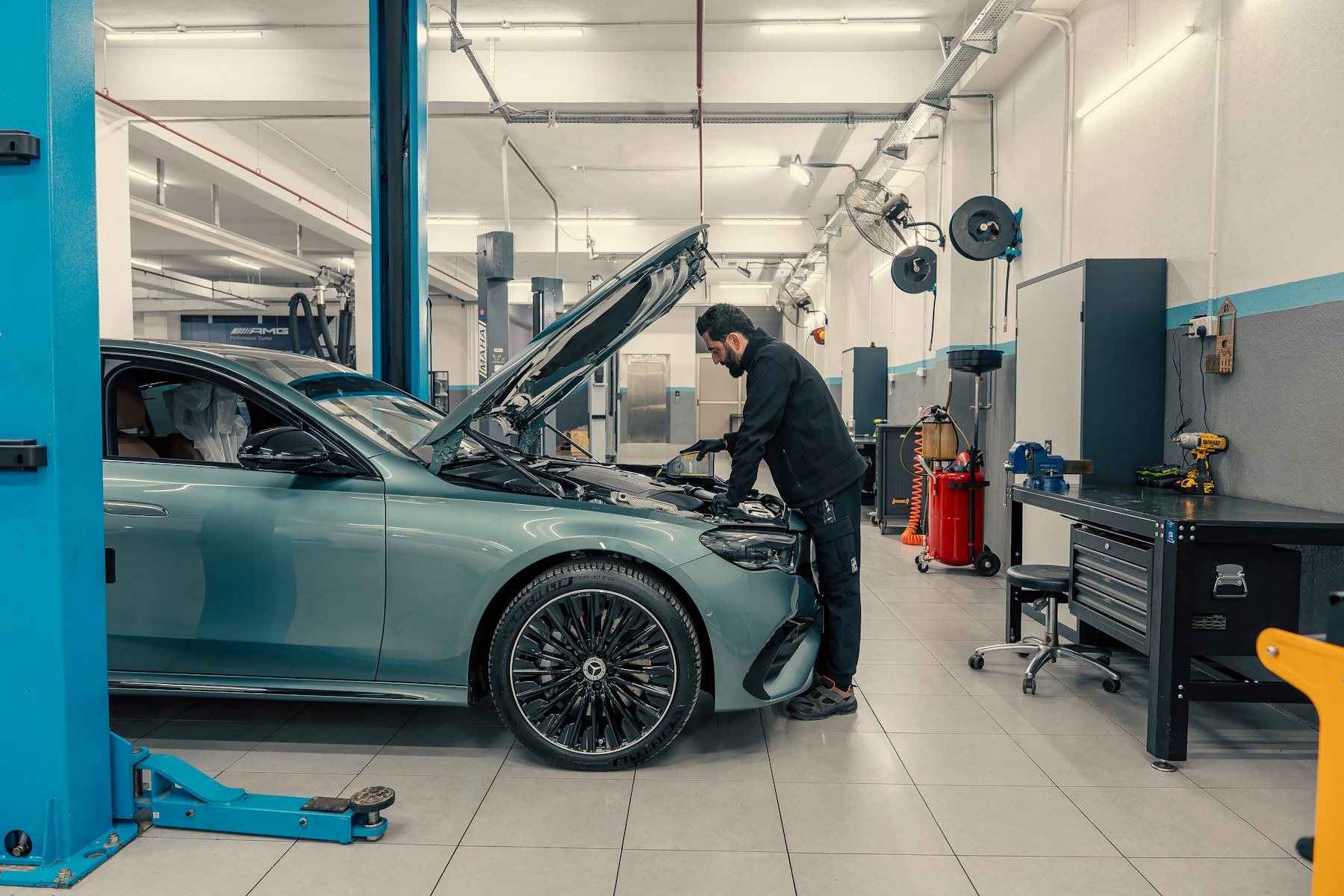
Don’t guess the failed part.
Tell us the year, make, model, ZIP, and what the car is doing. A no-start can be battery, starter, charging, fuel, security, or something else—so the flow is symptom-first.
What kind of help fits the symptom?
Each service page answers a different automotive problem instead of repeating one generic “mechanic near me” page.
Mobile Mechanic
Request a mechanic who can inspect or repair eligible problems where the vehicle is located.
Open service →Car Diagnostics
Request diagnostic help for warning lights, noises, drivability or electrical symptoms.
Open service →Brake Repair
Request inspection or repair options for brake pads, rotors and related symptoms.
Open service →Car Battery Replacement
Request battery testing or replacement options where mobile service is available.
Open service →Alternator Repair
Request charging-system diagnosis when the battery is not staying charged.
Open service →Starter Replacement
Request diagnosis when the engine does not crank normally.
Open service →Check Engine Light Diagnostics
Request a diagnostic starting point for an illuminated engine warning light.
Open service →Car Won’t Start
Request no-start diagnosis at the vehicle location.
Open service →Pre-Purchase Inspection
Request an independent inspection before buying a used vehicle.
Open service →Mobile Oil Change
Request routine engine oil service where mobile maintenance is offered.
Open service →Some jobs fit mobile service better than others.
This is a practical starting point—not a guarantee. Exact suitability depends on the vehicle, location, safety, tools, and diagnosis.
Battery / no-start
Testing, batteries, many starter or charging-system checks can begin where the car sits.
Brakes / maintenance
Many pad, rotor, oil, and routine jobs are possible when the vehicle is safely accessible.
Heavy / lift work
Alignment, major drivetrain work, or repairs needing shop-only equipment may require a facility.
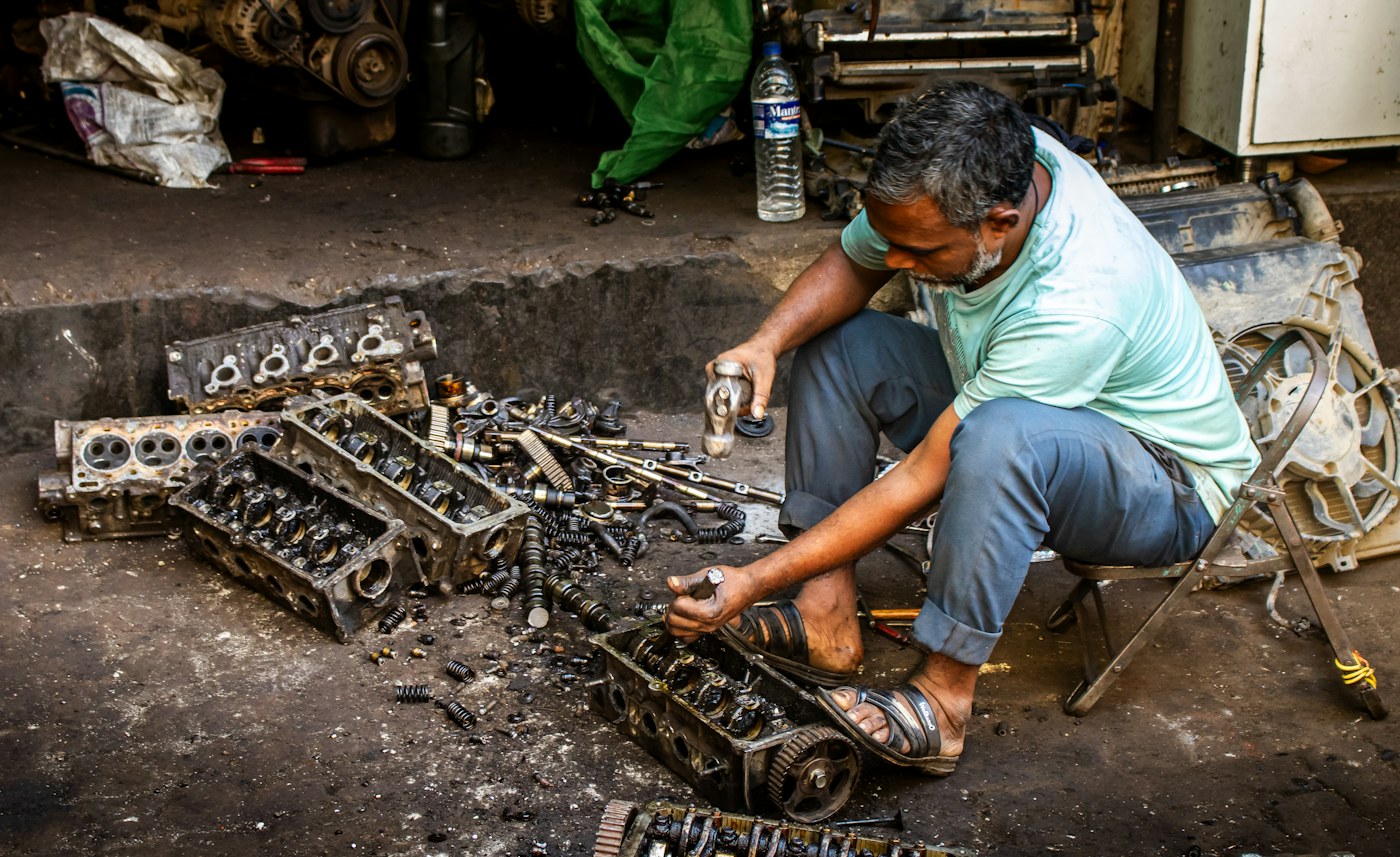
Repair work is visual.
The site now uses automotive imagery and diagnostic UI instead of a wall of text.
Local demand, not fake coverage.
These city hubs collect search and form signals. Deeper city-service pages are earned only when the data supports them.
Quick repair guides
Mobile Mechanic vs. Auto Repair Shop
How to decide whether a mobile visit or traditional shop is the better fit.
Mobile Mechanic Cost Guide
The factors that change the cost of at-location automotive service.
Car Won’t Start: A Practical Checklist
Useful observations to gather before requesting mechanical help.
How to Choose a Mobile Mechanic
What to verify before authorizing mobile automotive work.
Before requesting mobile repair: describe the symptom rather than guessing the failed part
A no-start, warning light, or unexpected noise can have several causes, and some repairs require shop equipment rather than an on-site visit. A useful mobile-mechanic request explains the symptoms, vehicle and work location so a provider can assess whether diagnosis or repair is appropriate without implying that every job can be completed where the car is parked.
- Record whether the engine does not crank, cranks without starting, or runs with a warning; include noises, dashboard messages, when the problem started, and any recent repairs.
- Give the vehicle year, make, model, and a safe accessible parking location. Some faults need a lift, controlled workshop facilities, or towing before work can proceed.
- If braking performance is impaired, the pedal feels abnormally soft, or warning signs suggest unsafe operation, avoid driving until the vehicle is professionally assessed.
- Ask if diagnostic time, travel, parts, labor, and any follow-up visit are separate charges. Request a clear estimate and approval process before additional repair work.
Vehicle diagnostics No-start symptoms When a workshop is more suitable Brake concerns